
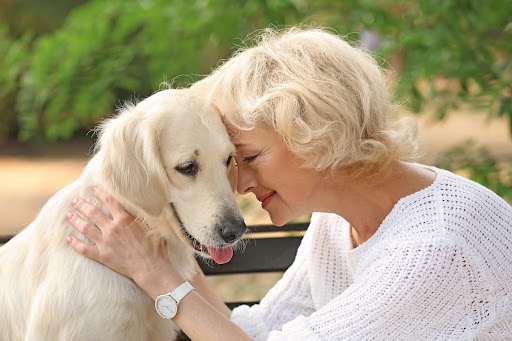
As our beloved pets gracefully enter their golden years, providing them with the right care becomes essential for ensuring a happy and healthy life. Senior pets require special attention, tailored nutrition, and a supportive environment to thrive in their later stages. In this guide, we explore senior care tips that go beyond basic necessities, aiming to enhance the quality of life for our aging companions.
1. Regular Veterinary Check-ups: The Foundation of Senior Wellness
Regular veterinary check-ups are crucial for monitoring the health of senior pets. Comprehensive exams allow veterinarians to detect age-related issues early, providing a foundation for tailored care plans.
2. Adjusted Nutrition for Changing Needs
Senior pets often have different nutritional requirements. Transitioning to a senior-specific diet can help address changing metabolism, joint health, and potential age-related conditions. Consult with your vet to choose the best food for your pet's specific needs.
3. Weight Management: A Key Element of Senior Wellness
Maintaining a healthy weight is paramount for senior pets. Excess weight can exacerbate joint problems and contribute to overall discomfort. Ensure a balanced diet and moderate exercise to manage weight effectively.
4. Joint Care Supplements: Supporting Mobility
Senior pets may experience arthritis or joint stiffness. Incorporating joint care supplements, such as glucosamine and omega-3 fatty acids, can support mobility and alleviate discomfort associated with aging joints.
5. Dental Health: A Gateway to Overall Well-being
Dental issues can become more prevalent in older pets. Regular dental check-ups and professional cleanings, along with dental treats and toys, contribute to maintaining oral health, preventing pain, and preserving overall well-being.
6. Adequate Exercise: Tailored to Senior Abilities
While the exercise is crucial, it should be adapted to the senior pet's abilities. Gentle walks, low-impact activities, and interactive play cater to their energy levels while promoting cardiovascular health and mental stimulation.
7. Cognitive Enrichment: Keeping the Mind Sharp
Senior pets may experience cognitive decline. Engage them with puzzle toys, new experiences, and mental stimulation exercises to keep their minds active and combat age-related cognitive challenges.
8. Comfortable Sleeping Spaces: Prioritizing Rest
Providing comfortable and supportive bedding is essential for senior pets, especially those with arthritis or joint pain. Orthopedic beds or heated pads can offer relief and contribute to a restful sleep.
9. Regular Grooming: Maintaining Coat and Skin Health
Senior pets may require more frequent grooming to manage coat condition and skin health. Regular brushing, nail trims, and attention to skin changes contribute to their overall comfort.
10. Adapted Living Environment: Catering to Senior Needs
Make adjustments to the living environment to accommodate senior pets. Consider ramps or steps for easy access to furniture, provide non-slip surfaces, and ensure their living space is free of obstacles.
11. Social Interaction: The Importance of Connection
Maintain social interaction and companionship for senior pets. Spending quality time with them, introducing gentle play, and ensuring they feel loved and connected contribute to their emotional well-being.
12. Regular Blood Work: Monitoring Internal Health
Routine blood work becomes more critical for senior pets. Regular screenings can help detect issues such as kidney disease, diabetes, or liver problems early on, allowing for timely intervention.
13. Controlled Environmental Stressors: Minimizing Anxiety
Senior pets may become more sensitive to environmental stressors. Minimize changes in routine, provide a quiet and comfortable space, and offer reassurance during potentially stressful situations.
14. Monitoring Vision and Hearing: Adapting Care Accordingly
Regularly monitor changes in vision and hearing. Adjust your interactions to accommodate any impairments, such as speaking to your pet before approaching and creating an environment conducive to their sensory needs.
15. Maintaining Routine: Stability for Senior Well-being
Consistency is crucial for senior pets. Stick to a routine for feeding, play, and sleep to provide a sense of stability and security, alleviating potential stress associated with changes.
16. Palliative Care: Compassionate Support for Chronic Conditions
For pets with chronic conditions, palliative care focuses on maintaining comfort and quality of life. Consult with your vet to discuss pain management, comfort measures, and strategies for supporting pets with chronic illnesses.
17. Weighted Blankets: Comfort for Anxious Seniors
For seniors experiencing anxiety or restlessness, consider using a weighted blanket designed for pets. The gentle pressure can provide comfort and a sense of security.
18. Hydrotherapy: Gentle Exercise for Joint Health
Hydrotherapy, such as swimming, can be a low-impact exercise for senior pets. The buoyancy of water reduces stress on joints while allowing for effective physical activity.
19. Holistic Therapies: Exploring Complementary Approaches
Explore holistic therapies, such as acupuncture or massage, to complement traditional veterinary care. These therapies can contribute to overall comfort and well-being for senior pets.
20. End-of-Life Planning: Compassion and Dignity
While it's a challenging topic, considering end-of-life planning is an essential part of senior pet care. Discuss options with your vet, including palliative care and making decisions that prioritize your pet's comfort and dignity.
In conclusion, providing exceptional care for our aging pets involves a holistic approach that addresses their physical, mental, and emotional needs. By implementing these senior care tips, we can ensure that our furry companions enjoy a happy and healthy life throughout their golden years.